

Gonzaga Collection
The collection is composed of two sections that gather important evidence on coinage and systems of measurement in Mantua and its territory.
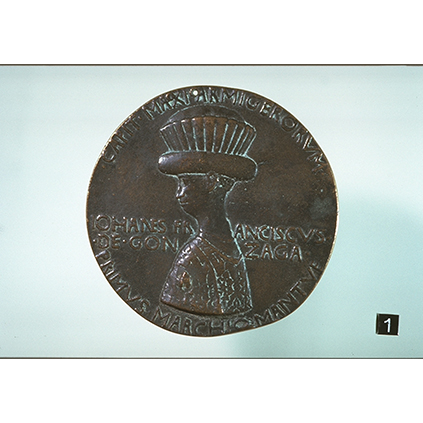
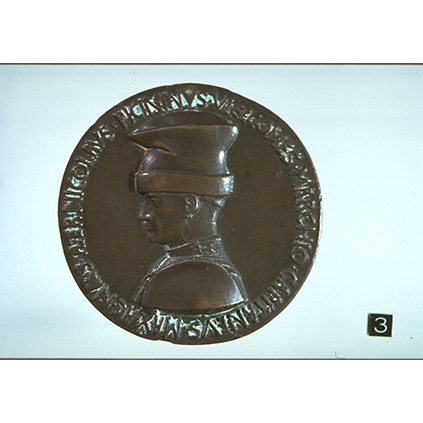
The numismatic section consists of 250 coins minted by the Mantua mint and arranged chronologically from the 13th to the 18th century; sixty additional coins were produced by minor mints (16th–17th century). Particularly notable for their quality and refinement are the medals created by the most important medallists who worked at the court, such as Pisanello, Bartolomeo Melioli, Gian Cristoforo Romano, and Sperandio Savelli.
Also on display are dies, punches, and seals that illustrate the techniques used for minting medals and coins at the Mantuan mint.
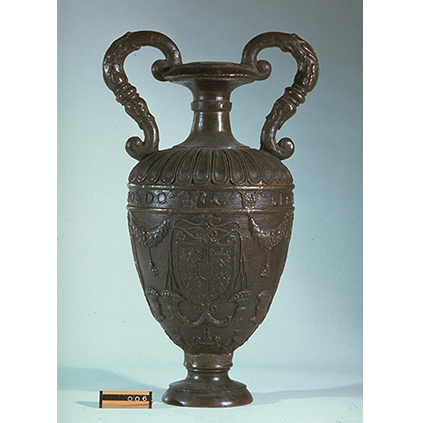
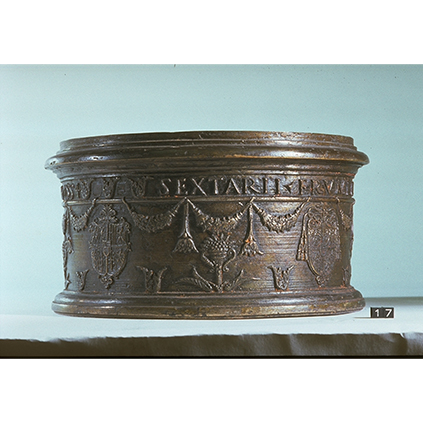
One section is entirely dedicated to the system of measurement (for length and capacity) adopted by the Mantuan State. It includes a model for roof tiles, a model for bricks, six examples of weight measures in the shape of amphorae, six containers for measuring dry capacity (for cereals), capacity measures for liquids, and two linear measures. These objects, made of bronze cast using the lost-wax technique and finely decorated on their outer surfaces, were produced in 1554 by Francesco Galvagni Massaro. Alongside them stands an older bronze staio (grain measure), dated 1416.
Mondadori Collection
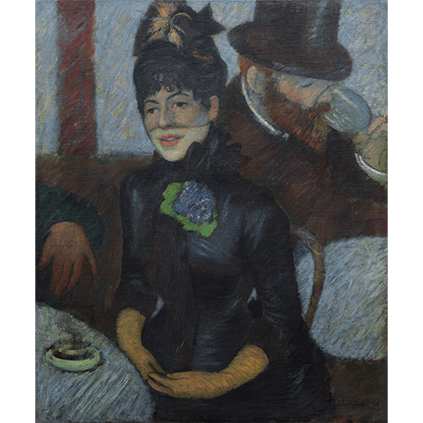
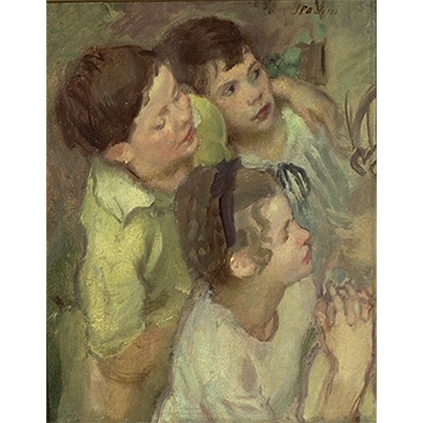
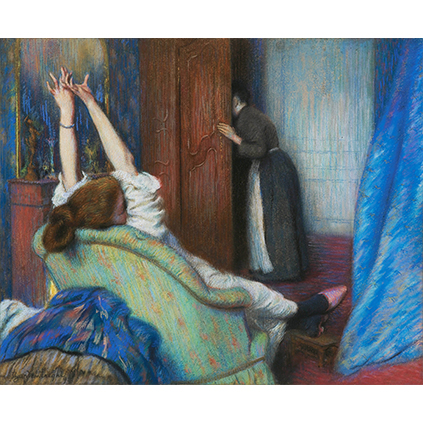
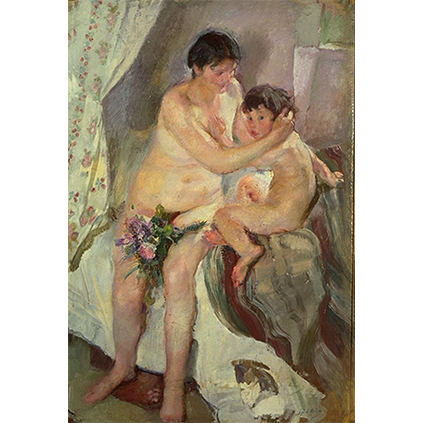
Donated by the Mondadori family in 1974 and permanently displayed on the upper floor of Palazzo Te since 1983, the collection consists of nineteen works by Federico Zandomeneghi and thirteen works by Armando Spadini.
The donation was motivated by the desire to make the paintings, collected with great passion by the publisher Arnoldo Mondadori, available for public enjoyment, as well as by a strong belief in the educational role of the museum.
Federico Zandomeneghi (1841–1917) is a significant figure in the panorama of late nineteenth-century Italian painting, and in recent years major monographic exhibitions have been dedicated to him. Trained in Venice, and after an important experience in Florence within the circle of the Macchiaioli, Zandomeneghi moved to Paris in 1874, where he developed a personal interpretation of the lessons of the Impressionists.
The influence that the painting of Edgar Degas exerted on the Venetian artist is remarkable, as can be seen in the works Al caffè and La grande danseuse. The pastels displayed at Palazzo Te, La lezione, Il risveglio, Il compito, to name just a few, are of outstanding quality and originality, demonstrating Federico Zandomeneghi’s technical mastery in the application of color, rich with iridescence and luminous reflections. Also noteworthy is his choice of everyday subjects, often female figures, and his manner of representation, which focuses on gestures and the emotions they evoke.
His later years were devoted to still lifes, a body of work that is also well represented in the collection at Palazzo Te.
The paintings by Armando Spadini (1883–1925) exhibited at Palazzo Te reveal much about the choices of the collector Arnoldo Mondadori, who favored and selected oil paintings characterized by a search for light en plein air and by intimate, family-centered subjects. Examples include Maternità, Bambini all’aria aperta, Bambina (Anna) tra i fiori, and Il mattino.